There is no item in your cart


WHAT IS EPS MOLDING CLADDING?
WHAT IS EPS MOLDING CLADDING?

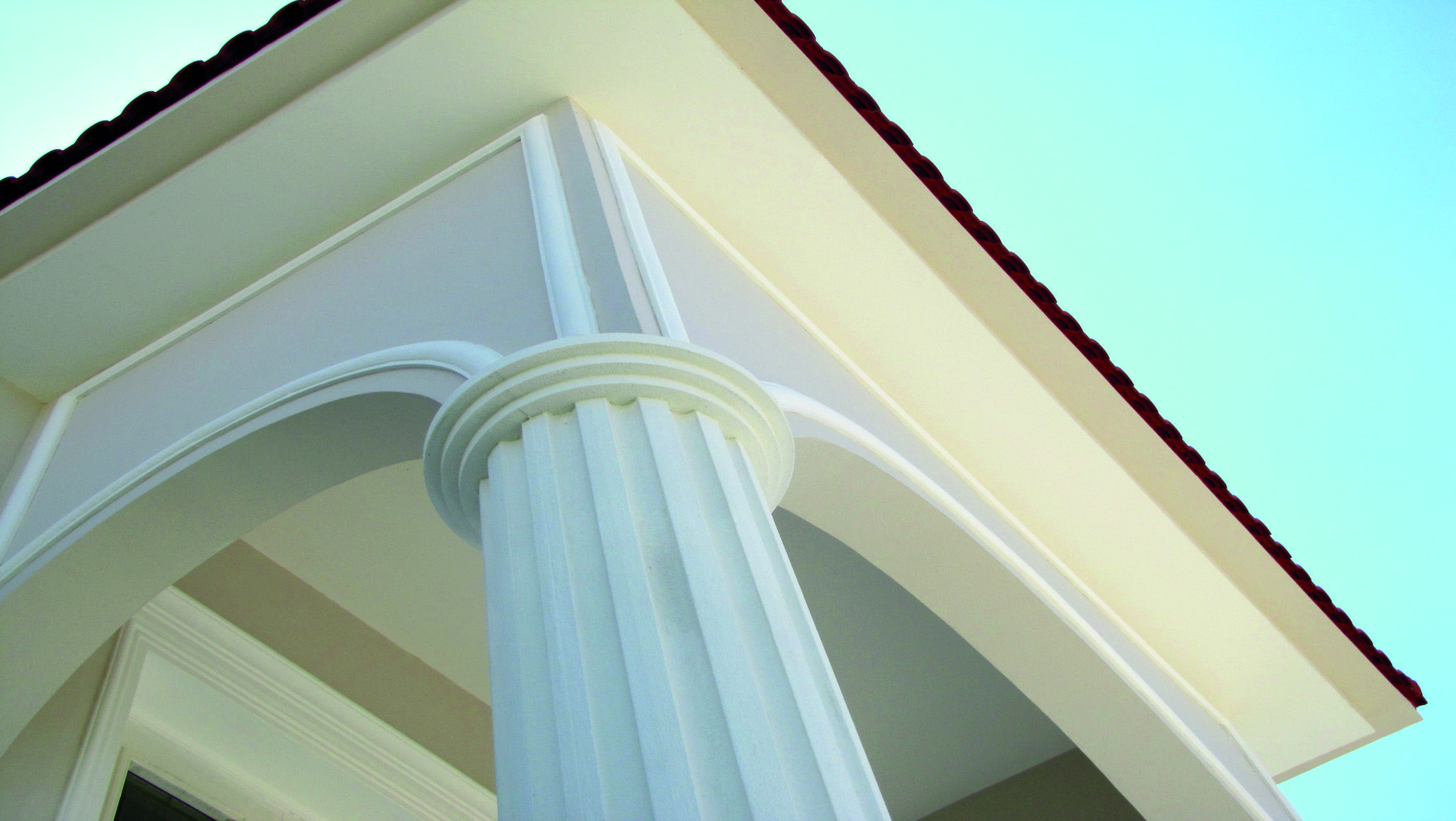
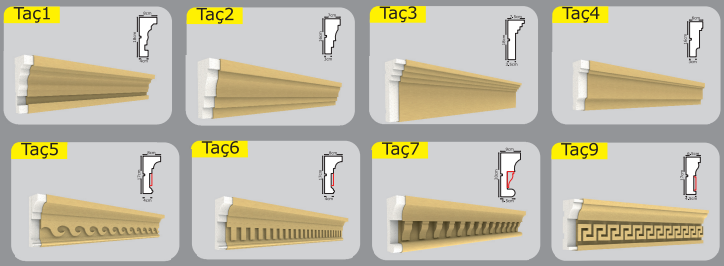
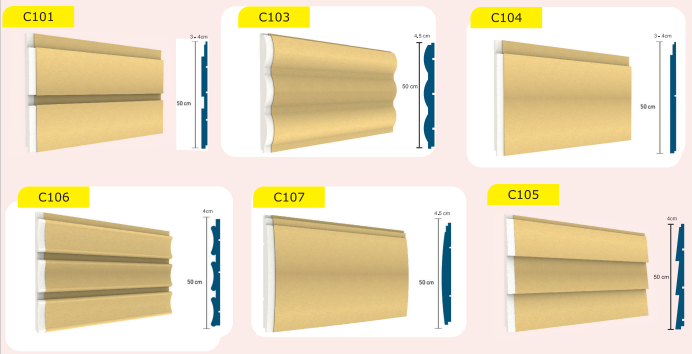
Molding (söve) is broadly the name given to decorative profiles applied to the edges of windows and doors, and is also commonly used as the general term for all decorative architectural elements of a building (floor cornice, eave molding, roof cornice, window sill profile, corner profile, column, pillar, parapet, grooved facade cladding, buttress, keystone, etc.). Throughout history, moldings have been manufactured from many materials. In the construction sector, the most widely favored types according to the building's characteristics and design have been timber molding, stone molding, marble molding, precast concrete molding, PVC molding, and plaster molding. Particularly, the global development of external thermal insulation composite systems (ETICS/cladding systems) created a need for molding elements that respond better to the requirements of these systems and integrate seamlessly with them. In this context, VELIS LTD, drawing on its accumulated expertise in the insulation and cladding sector, understood the industry's needs and developed molding systems produced by CNC-machining Expanded Polystyrene (EPS) and Extruded Polystyrene (XPS) — themselves thermal insulation materials — and coating them with acrylic-based molding plaster.